“I know something is wrong, but I cannot explain it.”
The emotional truth is real, but it may not contain enough functional detail for someone to identify the next step.
A practical ADHD communication and routing system
Campus Bridge helps students describe an observable barrier, helps faculty and staff respond inside their roles, and helps the University connect each interaction to the right existing process.
Why a bridge is needed
Students frequently arrive with shame, urgency, or a broad statement of failure. The institution then has to translate the situation before it can respond. Campus Bridge makes that translation teachable and repeatable.
The emotional truth is real, but it may not contain enough functional detail for someone to identify the next step.
A clear first response can acknowledge the student, clarify the immediate course lane, and route formal questions appropriately.
Four questions and a shared routing map reduce repeated storytelling and turn a referral into a specific action.
Describe the observable barrier.
Clarify course, process, and support lanes.
Choose the right person or office.
Leave with one action and one owner.
Representative pages from the review set
Each audience receives a purpose-built tool. Select a packet to see a representative page, what it does, and the immediate result it is designed to create.
WHAT THIS PAGE DOES
A 90-second reset helps a student name one observable barrier, choose the right support lane, and prepare one next action without having to explain an entire semester or disclose a diagnosis.
One system, five working layers
Campus Bridge is not a single handout. It is a review and implementation set that gives each audience only the tools it needs while keeping the full system aligned.
Review brief and policy-alignment matrix clarify boundaries, owners, and approval requirements.
A practical guide and workbook help students name the barrier and prepare a useful request.
Response guides and scripts create role clarity, consistent language, and warm handoffs.
Audience-specific decks and facilitation materials turn the documents into live practice.
A pilot guide and measurement pack define scope, safeguards, learning, and the decision process.
A configurable live-learning footprint
The University does not have to choose the full sequence at the start. The workshop footprint can match the participating unit, the most important handoff, and the available pilot capacity.
CORE PATHWAY
Choose the two audiences that own the most important transition. A common starting point is faculty plus advisors and staff, with student tools available for guided use.
The specific audience combination is selected during approval. The 10-12 week pilot sequence remains the same; only the live workshop footprint changes.
Inside each audience session
Sessions use visible scenarios and structured practice. Participants can speak, write, use chat, or pass. No personal diagnosis or disclosure is required.
SESSION OUTCOME
Respond without diagnosing, separate universal course practices from formal accommodation, and create one clear next step.
A controlled pilot, not a campus-wide launch
Voluntary participation. No diagnosis required.
3 weeks approval
+1 launch week
+6 live-use weeks
+up to 2 weeks for findings
Review language, policy boundaries, support routes, accessibility, data, ownership, and the selected workshop footprint.
Train the chosen audience or audiences, place approved tools, and collect a simple confidence baseline.
Use the tools in a defined unit or cohort and collect brief, minimum-necessary feedback on clarity and utility.
Review findings, document revisions, and choose whether to expand, revise, pause, or stop.
Staff confidence
Clear student next steps
Interaction clarity
Policy and routing issues
Decision thresholds are set jointly before launch. Pilot measures use aggregate, minimum-necessary data.
Access without overreach
Campus Bridge helps people communicate earlier and reach the right process. The University approves the language, routes, formats, data approach, workshop footprint, and conditions for use.
Formal accommodation paths remain with DRC. Tools never promise eligibility or a specific accommodation.
Faculty address the course lane. Advisors translate and route. Existing offices retain their responsibilities.
Editable sources accompany review materials. Approved formats are remediated before distribution.
Default measures exclude names, diagnoses, grades, student IDs, accommodation status, and medical narratives.
REVIEW GATES BEFORE USE
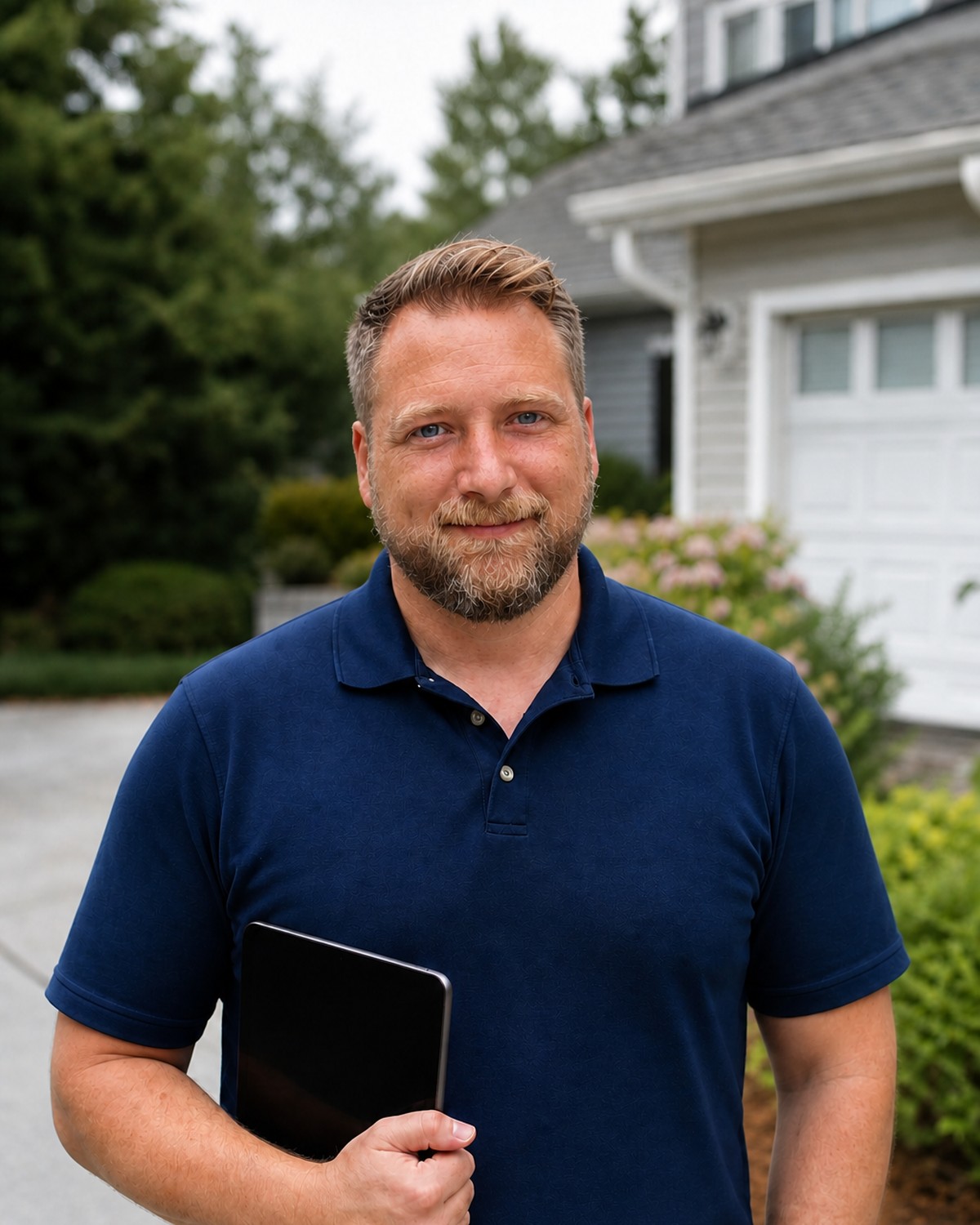
Who built Campus Bridge
Matt Morrison is the author of Built For Chaos, an ADHD advocate, and the founder of Authentic Mess Studios.
Diagnosed with ADHD in his early 30s after years in sales, Matt spent years wondering why productivity systems seemed to work for everyone except him. The problem was not a lack of effort. The systems were built around assumptions his brain could not reliably meet.
Built For Chaos replaces shame and “try harder” advice with practical tools designed around interest-based motivation, limited working memory, and the reality that people with ADHD may need to restart more than once.
Its Human AF Method and tools such as the Three-Pile System, Emergency Restart, and 10-Minute Wins help people notice what is happening, name the barrier, reduce the next step, and rebuild momentum.
Explore Built For Chaos ↗Campus Bridge brings that same practical design philosophy into the first conversation between a student and the University: reduce shame, make the barrier visible, and create a next step someone can actually take.
Built For Chaos and Campus Bridge provide practical education and communication tools. They do not provide diagnosis, treatment, or clinical care.
Prepared for institutional review
Campus Bridge is a proposed program concept. University policy and office guidance control if any draft language differs. All routes, examples, and formats must be revalidated before use.